Mothers Day Roses Line Art: A Designer's Real-World Embroidery Review
When I first opened the Mothers Day Roses Line Art file, my immediate reaction was one of quiet appreciation. In a market flooded with overly ornate, cluttered floral vectors, this design stood out for its restraint. It is not trying to be a masterpiece of photorealism; instead, it offers a clean, modern silhouette that feels perfect for the current trend in minimalistic handmade goods. As someone who has spent years turning digital files into tangible embroidery project outcomes, I know that the difference between a successful product and a failed one often comes down to line weight and negative space. This Illustrations category piece handles both exceptionally well.
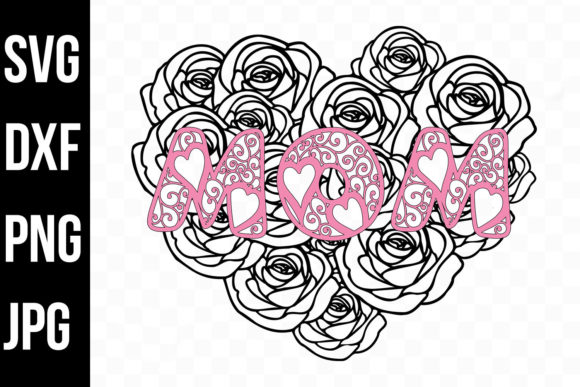
The visual personality of Mothers Day Roses Line Art is soft yet structured. The lack of internal shading or complex gradients means the design relies entirely on the strength of its outlines. This is a crucial detail for anyone planning to use this as an embroidery file. When we translate line art into stitches, we lose the subtle tonal shifts of a raster image, but we gain texture. The open spaces within the rose petals allow the fabric to show through, creating a breathable look that prevents the finished product from feeling heavy or stiff. For a custom apparel item like a sweatshirt or a tote bag, this lightness is vital. You want the embroidery to feel integrated with the garment, not like a patch stuck onto it.
I recently put this design to the test while preparing a batch of personalized gifts for a boutique client. The brief was simple: create a collection of embroidered tea towels and aprons for a local mother's day sale. I chose a high-quality linen blend for the aprons and a crisp cotton canvas for the kitchen towels. The decision to use Mothers Day Roses Line Art here was strategic. On the textured linen, the continuous lines of the roses followed the weave beautifully, adding a sophisticated touch without overwhelming the natural grain of the material. On the cotton canvas, the design provided a sharp contrast that made the gift feel premium immediately upon unwrapping.
However, translating this graphic into a physical object requires more than just hitting "start" on the machine. When I evaluated the design for potential pitfalls, I noticed that the delicate curves of the rose stems would require careful attention to stitch density. If the density is set too high, the fine lines will pucker, especially on thinner fabrics like the muslin often used for baby onesies. Conversely, if the density is too low, the satin stitch edges might look ragged or fail to cover the background fabric completely. For this specific design, I recommend using a slightly lower density setting to preserve the elegance of the line work. This ensures that the finished product retains that airy, sketch-like quality that makes it so appealing.
The versatility of Mothers Day Roses Line Art extends beyond home decor. I have seen similar designs perform exceptionally well on embroidered patches and caps. Because the design is essentially a single-color outline (or can be easily converted to one), it works wonderfully with metallic threads or contrasting colors. Imagine stitching these roses in a deep burgundy thread on a cream-colored cap, or perhaps a gold thread on a navy blue hoodie. The simplicity allows the thread color to become the primary character of the design. This flexibility is a huge asset for Etsy sellers and small shop owners who need to offer customization options without needing to redesign the artwork every time a customer requests a different color palette.
There are, however, scenarios where caution is required. While this design shines on flat surfaces like tote bags, pillow covers, and wall hangings, it demands a different approach when applied to curved surfaces like baseball caps or fitted t-shirts. The curvature of a cap can distort the symmetry of the roses if the digitization does not account for the tension changes across the curve. Additionally, if you plan to use this on stretchy knits, such as jersey t-shirts or baby bodysuits, the running stitch or fill areas must be stabilized properly. Without adequate stabilizer, the tension of the embroidery can cause the fabric to gather, ruining the clean lines of the original Graphics asset. Always test on a scrap piece of the exact same fabric before committing to the final piece.
For those of you looking to scale this into a commercial business, the implications of using Mothers Day Roses Line Art are significant. A clean, recognizable design builds trust. Customers browsing your printable mockup listings or visiting your craft fair booth respond positively to professional-looking finishes. There is nothing that kills a brand faster than an embroidered logo that looks fuzzy or distorted. This design avoids those common pitfalls by sticking to clear, defined paths. It suggests a level of craftsmanship that elevates the perceived value of the item. Whether you are selling a $20 embroidered card or a $60 custom apron, the clarity of the stitching communicates quality.
I also want to address the practicalities of production. Before launching a product line featuring this design, I strongly advise checking the hoop size requirements. While the design itself is scalable, the smallest details in the rose centers might get lost if the final embroidery area is too small. If you intend to make tiny accessories, like keychains or hair clips, ensure the digitized version maintains enough stitch count to hold its shape. Furthermore, verify the licensing terms associated with the digital embroidery file. Many designers sell these assets for personal use only, while others grant commercial rights for a fee. As a professional, protecting your business means knowing exactly what you are allowed to sell.
In terms of aesthetic appeal, the Mothers Day Roses Line Art design strikes a balance between traditional and contemporary. Traditional rose motifs can sometimes feel dated or overly fussy, but the line-art treatment modernizes the theme instantly. It appeals to younger demographics who prefer sleek, Instagram-worthy aesthetics while still resonating with older generations who appreciate the classic symbolism of flowers for mothers. This broad appeal makes it an excellent choice for holiday embroidery projects that need to have mass-market viability. It fits seamlessly into a nursery decor collection, a wedding favor line, or a boutique's seasonal promotion.
Finally, let's talk about the finishing touches. The success of any machine embroidery design often depends on the thread selection. For this specific line art, I found that matte threads worked better than shiny ones. Shiny threads can reflect light in ways that blur the fine lines, whereas matte threads absorb light and define the edges crisply. Using a high-quality polyester or rayon thread will ensure that the embroidery project stands up to repeated washing and wear. If you are making items intended for frequent use, like kitchen towels or children's clothing, durability is non-negotiable. The clean lines of Mothers Day Roses Line Art are robust enough to withstand this, provided the underlying structure is sound.
To sum up, this is a tool that demands respect but rewards creativity. It is not a magic bullet that fixes poor digitization, but it provides an excellent foundation for high-end results. Whether you are a hobbyist making a one-off gift for your own mom or a creative entrepreneur building a full product catalog, Mothers Day Roses Line Art offers a reliable, stylish, and versatile option. By paying attention to fabric choices, stabilizer types, and stitch settings, you can transform this simple vector into a cherished heirloom. The result is a handmade product that feels intentional, polished, and deeply personal.