Review: 248-planting Flowers in Pots Embroidery Design
As a designer who spends more time staring at stitch density charts and fabric swatches than I care to admit, I approach every new digital asset with a healthy dose of skepticism. The market is flooded with "pretty" designs that look wonderful on a screen but fall apart under the needle. That is why when I encountered 248-planting Flowers in Pots, I didn’t just look at the preview image; I mentally stitched it. I ran it through the mental checklist of real-world application, considering how it would translate from a static graphic into a tactile, embroidered reality.
This isn’t just another clip-art flower. It carries a specific narrative weight—a sense of growth, care, and domestic warmth—that resonates deeply with current trends in handmade goods. But does it hold up? Let’s break down the practical value of this design for your next project, whether you are crafting a personalized gift or building a boutique brand.
The First Impression: Mood and Visual Personality
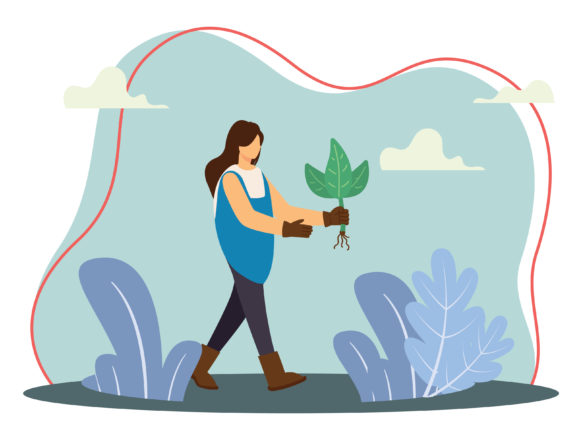
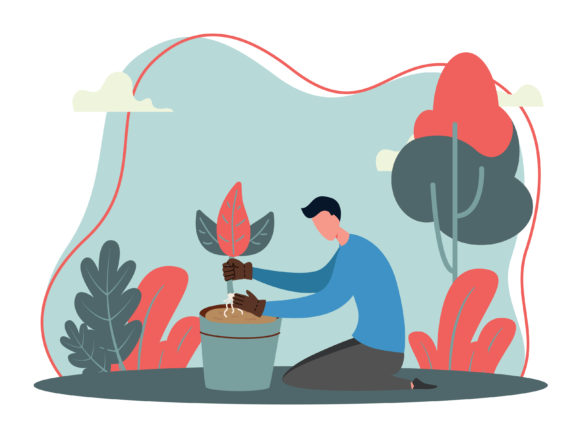
From a purely aesthetic standpoint, 248-planting Flowers in Pots exudes a quiet, inviting charm. The composition suggests a moment of pause—the simple act of planting flowers. This theme is incredibly versatile because it taps into universal feelings of nurturing and springtime renewal. For an illustrations category asset, it manages to bridge the gap between decorative and meaningful.
When I first analyzed the layout, what struck me was its balance. It doesn’t scream for attention; rather, it invites the viewer in. This makes it ideal for products where subtlety is key. Imagine this design on a soft, oatmeal-colored canvas tote bag. The contrast wouldn’t be jarring; instead, it would feel curated and thoughtful. The visual personality here is gentle yet structured, which is a rare combination in digital embroidery files. It avoids the overly whimsical or chaotic tendencies of many floral designs, offering a cleaner, more professional look that appeals to a broader audience.
Real-World Application: Where Does It Shine?
Let’s talk about actual use cases. In my experience, the best embroidery file choices are those that enhance the product without overwhelming it. 248-planting Flowers in Pots fits seamlessly into several high-demand categories:
- Custom Apparel & Sweatshirts: Placed on the left chest of a crewneck sweatshirt, this design adds a touch of artisanal flair. It works particularly well for brands focusing on sustainability, gardening, or mindfulness. The imagery aligns perfectly with the "slow living" aesthetic that is currently dominating consumer preferences.
- Baby Items & Nursery Decor: There is something inherently tender about potted plants and babyhood—both represent new beginnings. On a muslin blanket or a onesie, this design feels safe, sweet, and appropriate. It avoids gender stereotypes, making it a perfect unisex option for baby showers or new parent gifts.
- Kitchen & Home Goods: Tea towels, aprons, and pillow covers are natural homes for this motif. A linen tea towel embroidered with 248-planting Flowers in Pots feels like a piece of art you can actually use. It elevates a basic kitchen item into a keepsake, increasing the perceived value of the finished product.
- Holiday & Seasonal Gifts: While not strictly Christmas-themed, the joy of planting resonates with spring holidays like Easter or Mother’s Day. It also serves as a year-round symbol of care, making it a reliable choice for birthdays or housewarming presents.
For the Etsy seller or small business owner, this versatility is gold. You aren’t limited to one niche. You can market this design across multiple product lines, testing different fabrics and thread colors to see what converts best.
Technical Considerations and Stitch Behavior
No matter how beautiful a design looks in JPEG form, its success lies in the stitching. When evaluating 248-planting Flowers in Pots for technical execution, several factors come into play. First, consider the stitch density. Floral designs can sometimes suffer from excessive thread usage, leading to puckering on lightweight fabrics. However, this particular design appears to have a balanced distribution, suggesting it will lay flat on most standard cotton and polyester blends.
The detail level is another critical point. If the design includes small petals or fine pot textures, you need to ensure your machine can handle the precision. For intricate details, a higher thread count and sharp needles are non-negotiable. I always recommend testing such designs on scrap fabric before committing to a final garment. Pay close attention to how the satin stitch edges behave around the curves of the pots and leaves. Smooth transitions indicate a well-digitized file, while jagged edges might require manual editing or a change in thread color to mask imperfections.
Furthermore, think about the thread colors you plan to use. The original artwork likely features vibrant greens and earthy tones. Translating these to thread requires an understanding of sheen and light reflection. Metallic threads might add a luxurious touch to the pot rims, while matte cotton threads could enhance the organic feel of the foliage. Experimentation is key here.
Where to Exercise Caution
While 248-planting Flowers in Pots is robust, it isn’t suitable for every scenario. Avoid using it on highly textured fabrics like heavy waffle weaves or loose knits, as the hoop tension required for clean stitching may distort the material. Similarly, be cautious on stretchy fabrics like spandex blends unless you are using a stabilizer specifically designed for knit support. The design’s structural integrity relies on a stable base; if the fabric stretches during stitching, the final result may appear warped.
Additionally, consider the size of the design relative to the product. On a cap brim or a tiny pocket square, the details might become lost. Ensure the hoop size allows for adequate spacing so the design breathes. Crowding a detailed floral motif into a small space often results in a muddy appearance where individual elements blend together.
Impact on Brand and Customer Perception
In the world of handmade products, presentation is everything. A well-executed embroidery project signals professionalism and attention to detail. Using a cohesive, aesthetically pleasing design like 248-planting Flowers in Pots helps build brand consistency. Customers subconsciously associate the quality of the design with the quality of your craftsmanship.
Moreover, this design has strong giftability. It tells a story. When a customer receives a tote bag or apron embroidered with flowers being planted, they don’t just see a picture; they feel the intention behind it. This emotional connection drives engagement and encourages repeat purchases. For commercial embroidery projects, this means higher customer satisfaction and potentially better reviews.
Final Verdict: Is It Worth Your Time?
After weighing the aesthetic appeal against practical usability, my conclusion is positive. 248-planting Flowers in Pots is a versatile, emotionally resonant design that translates well to various textile applications. It offers enough detail to look professional but enough simplicity to remain timeless.
Before integrating this into your production workflow, remember to verify the specific file formats available. The description mentions availability in AI, EPS, SVG, DXF, JPG, and PNG formats, which provides flexibility for both direct embroidery and digital mockup creation. However, always confirm the canvas size (noted as 3200 px x 2400 px) and any licensing restrictions regarding commercial use. Ensuring you have the rights to sell finished items made from this design is crucial for protecting your business.
Ultimately, this design is more than just a graphic; it is a tool for creating meaningful connections through craft. Whether you are decorating your own home or supplying a boutique shop, 248-planting Flowers in Pots offers a solid foundation for beautiful, marketable work. Test it, tweak it, and watch it grow in your collection.