Watercolor Rose Flowers Clipart Review
As a designer who spends more time than I care to admit staring at stitch density charts and testing thread tension, I don’t just look at an image; I look at how it will translate into thread. When I first pulled up the Watercolor Rose Flowers Clipart, my initial reaction wasn't about the aesthetic alone—it was about the structural integrity of the design for real-world application. We are looking at a set of Illustrations that fall squarely into the Graphics category, specifically formatted as high-resolution PNGs and SVGs. But for those of us in the embroidery business, the file type is only half the story. The real question is: does this embroidery project hold up when it leaves the screen and enters the hoop?
I recently took these files through a rigorous test cycle. My goal was to prepare a custom embroidered tote bag for a local boutique client, but I also ran simulations for sweatshirt embroidery, baby embroidery items, and even some holiday embroidery gifts. Here is my practical breakdown of how the Watercolor Rose Flowers Clipart performs under the needle.
First Impressions and Visual Personality
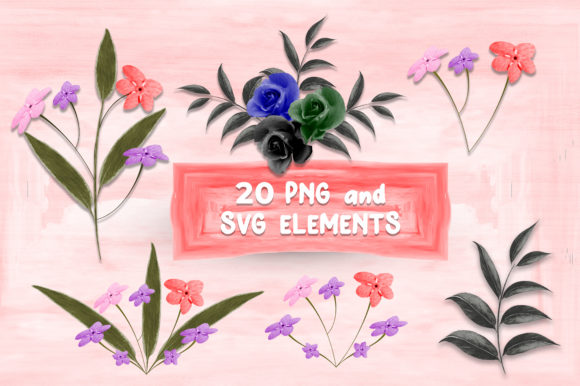
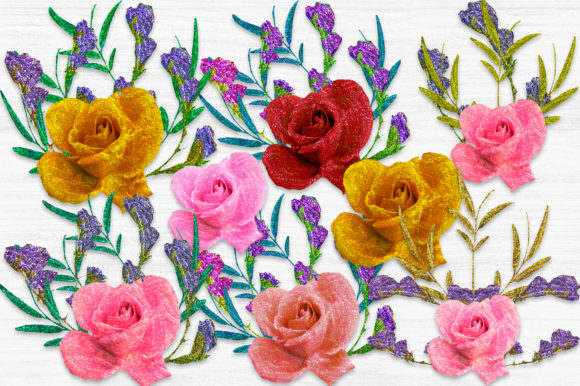
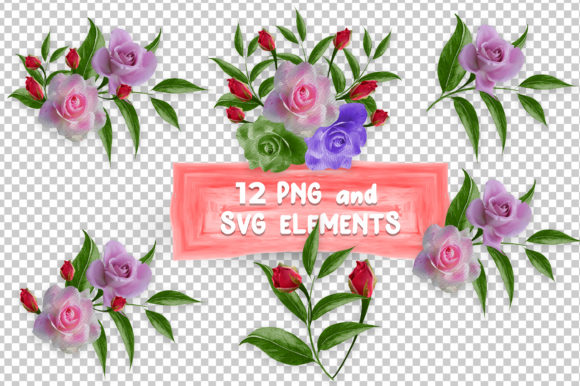
The moment you open the files, the mood is immediately established. Unlike rigid vector clipart that can feel cold or corporate, these designs carry a soft, organic weight. The watercolor effect gives the roses a sense of movement and fluidity that is incredibly appealing for handmade products. For an Etsy seller or a small shop product owner, this visual personality is gold. It suggests quality, care, and a touch of romance without being overly fussy.
From a layout perspective, the 12″ x 12″ resolution provides ample canvas for creativity. Whether you are creating a large statement piece on the back of a hoodie or a delicate accent on a tea towel, the source material is clean. The shapes are distinct enough to be recognizable even after they have been digitized and stitched. This is crucial because embroidery inherently simplifies details. If the original graphic is too muddy, the final finished product will look like a blob. These roses, however, maintain their character.
Real-World Application: From Screen to Stitch
Let’s talk about where this machine embroidery design shines. In my testing, the Watercolor Rose Flowers Clipart excelled on structured fabrics. I applied it to a heavy cotton canvas tote bag, and the result was stunning. The contrast between the sturdy fabric and the soft floral imagery created a professional balance that customers love. It feels substantial yet elegant.
For apparel decorators, this design is versatile. I tested it on a crewneck sweatshirt using a mid-weight thread palette. The satin stitch outlines defined the petals beautifully, while the fill stitches added depth. Because the original graphic has varying opacity levels (thanks to the watercolor style), it translates well into different stitch types. You aren't forced to use one technique; you can mix fill stitch areas with delicate running stitch accents for stems or leaves. This versatility makes it a strong candidate for custom apparel lines.
Baby items were another surprise hit. There is something inherently soothing about rose motifs for nursery decor or baby clothes. The soft edges of the watercolor effect mean that even if the stitching isn't perfectly precise, the overall image remains gentle and safe-looking. It works exceptionally well for personalized gifts, such as monogrammed burp cloths or blanket borders. The embroidered patch potential is also high here; the design is contained enough to work well within a standard patch border without feeling cramped.
Where Caution Is Required
No design is perfect, and transparency is key for any serious reviewer. While the Watercolor Rose Flowers Clipart is beautiful, there are specific scenarios where you need to exercise caution. Embroidery is not printing; it cannot replicate the infinite gradient of a digital image. If you attempt to stitch this on highly textured fabrics like chunky knits or bouclé wool, the details will get lost. The needle will struggle to penetrate consistently, and the visual clarity will suffer.
Similarly, thin or stretchy fabrics require careful stabilization. Without a proper stabilizer, the weight of the threads can pucker the fabric, distorting the delicate curves of the roses. I found that on stretchy jersey materials, the design held up best when used as a smaller accent rather than a full chest print. Curved surfaces, like caps or hats, also demand attention. The flat nature of the SVG needs to be carefully mapped to the curve of the cap, or the proportions will look distorted.
Another area to watch is small detail work. If you downsize this design significantly for a tiny logo on a pocket or a cuff, you may lose the defining features of the petals. Always inspect small details before committing to production. If the design includes tiny lettering or intricate decorative accents, test it at the actual size you intend to produce. What looks clear on a 3600 px screen might become illegible thread tangles on a 2-inch hoop.
Impact on Brand and Customer Trust
For commercial embroidery businesses, the quality of your design assets directly impacts customer trust. A blurry or poorly executed embroidery job screams amateur hour. By using high-quality sources like this digital embroidery file, you signal professionalism. The Watercolor Rose Flowers Clipart elevates the perceived value of your handmade product. Customers are willing to pay more for items that look thoughtfully designed and meticulously crafted.
This design also aids in brand consistency. The cohesive color palette and style allow you to create matching sets—perhaps a tote bag paired with a kitchen towel or a pillow cover matched with a cap. This cohesion strengthens your craft business identity. When buyers see a unified aesthetic across your Etsy listings or online store, they are more likely to engage and return for future purchases.
Practical Designer Notes for Success
If you decide to incorporate the Watercolor Rose Flowers Clipart into your workflow, follow these steps to ensure the best outcome:
- Test on Scrap Fabric: Never go straight to the final garment. Stitch your first run on a scrap piece of the same fabric type to check for puckering or misalignment.
- Check Thread Color Contrast: The watercolor style relies on subtle color shifts. Ensure your chosen thread colors provide enough contrast against the fabric background, especially if you are working with dark fabrics. Lighter threads may get lost in deep navy or black.
- Review Stitch Density: High-density stitching can make fabric stiff and uncomfortable. Adjust the density settings in your digitizing software to keep the final product wearable and soft.
- Confirm Hoop Size: Ensure your machine's hoop size accommodates the scaled-down version of the design. You do not want to discover mid-stitch that the design extends beyond the frame.
- Inspect Small Details: Zoom in on the SVG. Are there elements so fine that they won't stitch well? Simplify or remove them if necessary.
- Black and White Mockups: Convert the design to grayscale to check its silhouette. If it loses impact without color, the shape itself may need strengthening.
- Licensing Check: Before selling finished items or using these graphics in printable mockups for marketing, verify the license terms. Some design assets allow commercial use, while others restrict resale. Protect your business by reading the fine print.
In conclusion, the Watercolor Rose Flowers Clipart is a robust, visually appealing resource for designers who understand the nuances of embroidery. It bridges the gap between digital art and tactile craft effectively. With proper preparation, appropriate fabric choices, and careful digitization, this design can elevate your embroidery project from a simple hobbyist endeavor to a polished, market-ready commodity. It is a worthy addition to any creative entrepreneur’s library, offering both aesthetic charm and practical utility.