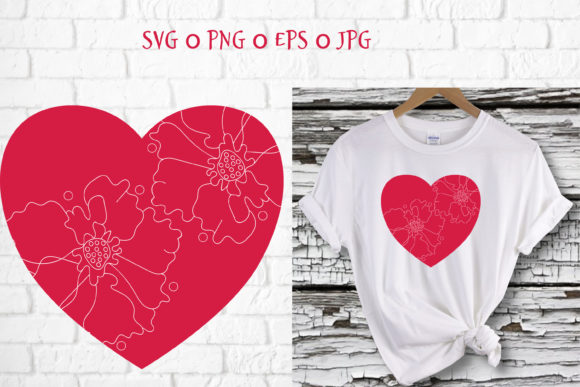
Red Heart Zentangle Flowers Review
I have spent years stitching everything from delicate baby onesies to heavy-duty workwear, and I know that the difference between a good design and a great finished product often comes down to one thing: how well the pattern handles the physical reality of thread and fabric. When I first looked at Red Heart Zentangle Flowers, my immediate thought wasn't about its file size or format, but rather how it would translate from a digital screen into a tactile, stitched piece. As an illustrator and graphic designer who frequently pivots to machine embroidery for custom apparel and boutique products, I treat every new asset with a healthy dose of skepticism until I see it under the needle.
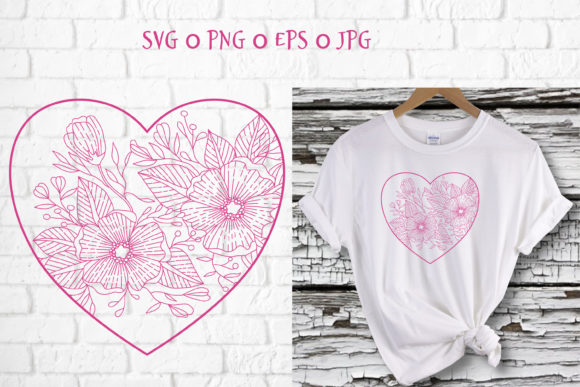
This particular design falls into the category of Illustrations and Graphics, which is a broad label, but in the context of embroidery, it suggests a specific kind of challenge. The concept of combining zentangle patterns with floral motifs and heart shapes creates a visual rhythm that is both intricate and whimsical. My initial assessment was that this has serious potential for a handmade shop looking to stand out on platforms like Etsy, but only if the execution is precise. The mood it evokes is cozy yet modern, perfect for items that need to feel personal without being overly cutesy.
From Digital File to Finished Tote Bag
Let's talk about a real-world scenario. Imagine you are preparing a batch of custom embroidered tote bags for a local craft fair. You want something that looks professional, holds up to daily use, and screams "handmade quality." This is where Red Heart Zentangle Flowers could shine as a centerpiece for a tote bag design. The zentangle elements provide enough texture to catch the light, while the heart shape offers a focal point that draws the eye immediately.
However, the devil is in the details. When I visualize this design stitched onto canvas or cotton twill, the complexity of the lines becomes the primary concern. If the stitch density is too high, the fabric will pucker, ruining the drape of the bag. If the density is too low, the intricate zentangle patterns might lose their definition, making the design look muddy rather than detailed. For a project like this, I would recommend using a medium-weight stabilizer to support the tension. The goal is to ensure that the satin stitch areas remain crisp while the fill stitch sections lay flat against the textured fabric.
In terms of customer reaction, a design like this suggests a brand that cares about aesthetics and uniqueness. It moves beyond generic clip art and offers a custom apparel element that feels curated. A buyer seeing this on a tote bag or a sweatshirt embroidery piece would likely perceive higher value because the pattern implies effort and skill, even if they don't know the technicalities behind it.
Where to Use It (And Where to Be Careful)
While Red Heart Zentangle Flowers is versatile, it is not a magic bullet for every single application. There are specific scenarios where this design requires caution. For instance, if you are working with a small hoop size, such as 4x4 inches, the intricate nature of the zentangle lines might get lost. Small details can easily disappear when compressed, especially on thin fabrics or stretchy materials like jersey knits used for t-shirts.
If you plan to use this for embroidered patches or caps, the curvature of the surface adds another layer of difficulty. On a curved cap, straight lines can warp, and dense fill areas can create unwanted bulk. In these cases, testing the design on scrap fabric first is non-negotiable. You need to see how the thread colors interact with the background material. Dark fabrics require lighter threads for contrast, while light fabrics might need darker outlines to define the zentangle edges.
Another area to consider is durability. If this design is intended for items that will be washed frequently, like kitchen towels or aprons, you must check the stability of the stitches. High-density designs can sometimes trap lint or wear down faster if the underlying structure isn't sound. For holiday embroidery projects like Christmas stockings or Valentine's gifts, this design works beautifully because the heart theme is seasonal and the zentangle style adds a unique twist to traditional motifs.
Visual Appeal and Brand Consistency
For Etsy sellers and small business owners, the visual consistency of your products is crucial for building trust. Red Heart Zentangle Flowers offers a distinct personality that can help define a brand identity. Unlike generic floral patterns, the geometric flow of the zentangle lines gives the design a structured elegance. This makes it suitable for commercial embroidery projects where a cohesive look across different products is desired.
When creating printable mockups or digital product previews, this design allows for creative freedom. You can place it on mugs, pillows, or greeting cards and it will maintain its integrity. The running stitch elements, if present, can add a hand-stitched feel that enhances the perception of a handmade product. Customers today are looking for authenticity, and a design that balances precision with artistic flair hits that mark perfectly.
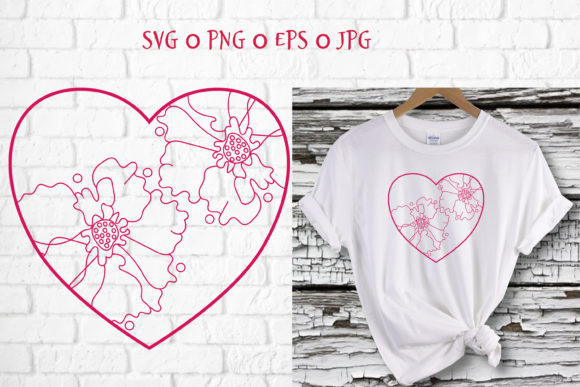
However, be mindful of the color palette. The description mentions a red heart, but in embroidery, thread choice matters immensely. Using standard red thread on a dark background might result in a muddy appearance unless you choose a vibrant, saturated shade. Conversely, on a white background, the red pops effectively, but the black or gray zentangle lines need to be sharp to avoid looking like smudges.
Practical Designer Notes for Execution
Before you commit to a full production run, here are some practical steps I always take when evaluating a new embroidery file. First, test the design on scrap fabric that matches your final project material. This helps you gauge the stitch density and ensures the fabric doesn't pucker. Second, review the hoop size requirements. If the design is large, you may need to split it or use a larger hoop to avoid multiple hooping marks.
Check the thread colors carefully. Sometimes, a design looks great in black and white but fails in color due to lack of contrast. Compare the design on both light and dark backgrounds to see how it performs. Also, inspect the small details closely; tiny zentangle loops can sometimes merge together if the machine tension is off. Using proper stabilizer is essential to prevent shifting, especially on slippery or stretchy fabrics.
Finally, confirm the licensing terms before selling any finished product. Ensure you have the right to use the design assets for commercial purposes. If you are selling digital embroidery files, make sure the license allows for resale. Understanding these legal and technical boundaries protects your craft business and ensures you are providing a professional service.
In conclusion, Red Heart Zentangle Flowers is a strong candidate for a variety of embroidery projects, from personalized gifts to boutique branding. Its unique blend of organic and geometric forms makes it adaptable for baby embroidery, apron decoration, and more. With careful planning regarding fabric choice, stabilizer selection, and thread contrast, this design can elevate your handmade product line and engage customers with its distinctive charm.