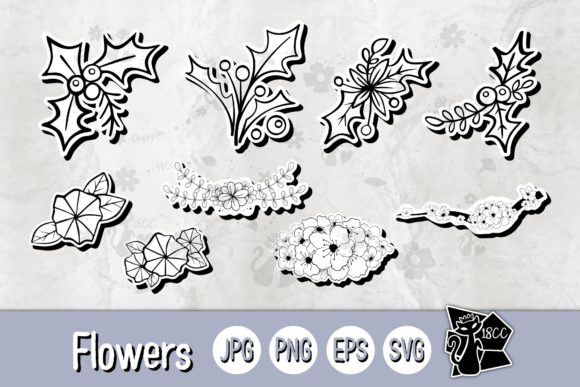
Flowers JPG PNG EPS SVG Graphics and Illustrations Review
In the world of digital publishing, visual hierarchy is not just an aesthetic choice; it is a functional necessity. As a blog designer who has spent years optimizing content for readability, engagement, and conversion, I approach every new graphic design asset with a critical eye. We are looking for more than just pretty pictures. We need assets that support editorial integrity, enhance brand identity, and drive performance metrics like click-through rates. Today, I am reviewing a versatile set of design files known as Flowers JPG PNG EPS SVG, specifically referencing the product description: "Flowers Digital Stamps, Clipart, Sticker, Sublimation. Great for crafts project such as card, graphic design, stationery, scrapbooking, print and much more."
This review focuses on how this specific collection fits into a real-world content publishing workflow. Whether you are building a lifestyle blog, an affiliate marketing site, or a digital guide library, understanding how these graphics function within your layout is crucial for maintaining reader trust and professional polish.
The First Impression: Editorial Mood and Niche Alignment
When you first open a package labeled with multiple formats like JPG, PNG, EPS, and SVG, you are expecting versatility. The "Flowers" theme immediately signals a connection to nature, growth, and organic beauty. In terms of editorial mood, this asset leans towards a modern, clean, and slightly feminine aesthetic. It does not feel overly ornate or cluttered, which is a relief for web designers who often struggle with heavy visuals slowing down page load times or distracting from core copy.
For content creators in niches such as wellness, home decor, DIY crafts, motherhood, or sustainable living, this design asset provides an immediate visual cue that aligns with the reader’s expectations. It creates a welcoming atmosphere. However, if you are running a corporate finance blog or a serious tech review site, these illustrations might clash with the required tone of authority and minimalism. The key here is context. These flowers work best when they serve as accents rather than the primary subject, adding warmth to otherwise dry text-heavy pages.
Integrating Flowers JPG PNG EPS SVG into Your Publishing Workflow
The true value of this asset lies in its multi-format availability. For a digital publisher, having both raster (JPG, PNG) and vector (EPS, SVG) files means you can adapt the graphic to any medium without losing quality. Here is how I recommend deploying these graphics across your content ecosystem:
- Blog Featured Images: Use the high-resolution PNG versions as overlays on your featured images. They can soften harsh photography or add a thematic touch to minimalist backgrounds.
- Pinterest Pins: Pinterest is a visual search engine. These floral elements are perfect for framing quotes or highlighting key takeaways in your pins. Because they are likely available in transparent formats, they layer beautifully over solid colors or photos.
- Newsletter Headers: Email marketing requires crisp, lightweight graphics. The JPG versions are ideal here, providing a decorative top banner that increases open rates by signaling a polished, curated experience.
- Digital Guides and Lead Magnets: If you are creating PDFs, worksheets, or eBooks, the EPS and SVG files allow you to scale the flowers infinitely. You can use them as corner decorations on cover pages or as bullet-point icons within the document, ensuring your digital product looks premium.
- Social Media Graphics: For Instagram posts or Facebook ads, these assets help maintain a consistent brand identity. They can be used as stickers in stories or as decorative borders in carousel posts.
Impact on Content Performance and Reader Trust
Why does this matter for your bottom line? Visual consistency builds trust. When a visitor lands on your site, they make a split-second judgment about your credibility. A site with mismatched, low-quality, or inconsistent graphics looks amateurish. By using a cohesive set of illustrations like these flowers, you signal attention to detail.
Furthermore, proper use of visual hierarchy guides the reader’s eye. If you place a floral accent next to a call-to-action button or a highlighted quote, you subtly direct attention to those high-value areas. This can lead to better engagement metrics. For affiliate marketers, this means higher potential for clicks. For educators, it means better comprehension of complex topics through visually supported text. The asset supports content marketing goals by making information more digestible and enjoyable to consume.
Strategic Placement: Where It Works Best
To maximize the effectiveness of these graphics, consider where they will have the most impact without overwhelming the user experience.
- Hero Images: Use subtle, low-opacity flower patterns behind your main headline text to add depth without reducing readability.
- Article Thumbnails: Small, simple floral icons can serve as category markers, helping readers quickly identify the topic of each post.
- Editorial Accents: Break up long blocks of text with small, scattered floral elements. This adds rhythm to the page and prevents "wall of text" fatigue.
- Downloadable Resources: On landing pages for freebies, use these graphics to create a sense of value and exclusivity around your printable design.
Cautionary Notes for Web Designers
While this asset is versatile, it is not a universal solution. There are specific scenarios where you should exercise caution.
First, avoid using these graphics in small mobile thumbnails. At very small sizes, intricate details may blur or become indistinguishable. Test your designs at 150x150 pixels to ensure clarity. Second, be mindful of text-heavy blog images. If the flowers compete with your typography for attention, readability suffers. Always prioritize legibility over decoration.
Additionally, consider the contrast. Light-colored flowers may disappear against white backgrounds, while dark flowers might look too heavy against dark themes. Test your chosen color palette against your site’s existing CSS. Finally, for serious professional niches like law, medicine, or B2B software, these playful illustrations may undermine your authority. In such cases, stick to geometric or abstract modern design elements instead.
Practical Publisher Notes for Implementation
Before integrating Flowers JPG PNG EPS SVG into your live site, follow these technical checks to ensure optimal performance and legal safety.
- Screen Testing: View your designs on both desktop monitors and mobile devices. Colors and scales can shift significantly between screens.
- Font Pairing: Experiment with different typefaces. These flowers pair well with serif fonts for a classic editorial look, sans-serif fonts for a clean modern vibe, and script fonts for a personal, boutique feel. Avoid pairing them with overly decorative display fonts, as this can create visual chaos.
- Contrast and Readability: Ensure there is sufficient contrast between the graphic and the background. Use tools to check accessibility standards.
- File Size Optimization: Even though SVGs are lightweight, large raster images can slow down your site. Compress your JPGs and PNGs using tools like TinyPNG before uploading. Page speed is a ranking factor for SEO.
- Commercial Licensing: This is critical. Before using these assets on monetized websites, affiliate pages, or paid products, confirm the commercial license. Some marketplaces restrict commercial use or require attribution. Ensure you have the right to use the creative design for profit-generating activities.
In conclusion, Flowers JPG PNG EPS SVG offers a robust toolkit for bloggers and publishers looking to elevate their visual storytelling. By treating these graphics as strategic components of your web design rather than mere decorations, you can create a more engaging, trustworthy, and professional online presence. Whether you are updating your website header, designing a new Canva template for social media, or crafting a detailed digital guide, these illustrations provide the finishing touch that turns good content into great experiences.